Cover of The Limits of Punishment

Mara Redlich Revkin

Transitional Justice and Violent Extremism. United Nations University and the Institute for Integrated Transitions (May 2018)

This report asks how Iraq should respond to the tens of thousands of people accused of affiliation with the Islamic State. It draws on fieldwork in Baghdad, Erbil, Mosul, a displacement camp near Hawija, and the counter-terrorism court at Tel Kayf; forty-eight interviews with lawyers and law professors, judges and prosecutors, and the wives and mothers of accused members; observation of two trials and of a tribal reconciliation session in Baghdad attended by representatives of thirty tribes from Anbar Province; and a survey of 1,409 residents of Mosul. It argues that a heavily carceral approach to accountability risks entrenching the grievances that allowed the Islamic State to take hold, and sets out alternatives.

Download the PDF →

A prison block in northern Iraq

A prison block below the mountains, Sulaymaniyah governorate, northern Iraq (Revkin 2017)

The entrance to Fort Suse Federal Prison

The entrance to Fort Suse Federal Prison (سجن سوسي الفدرالي), northern Iraq (Revkin 2017)
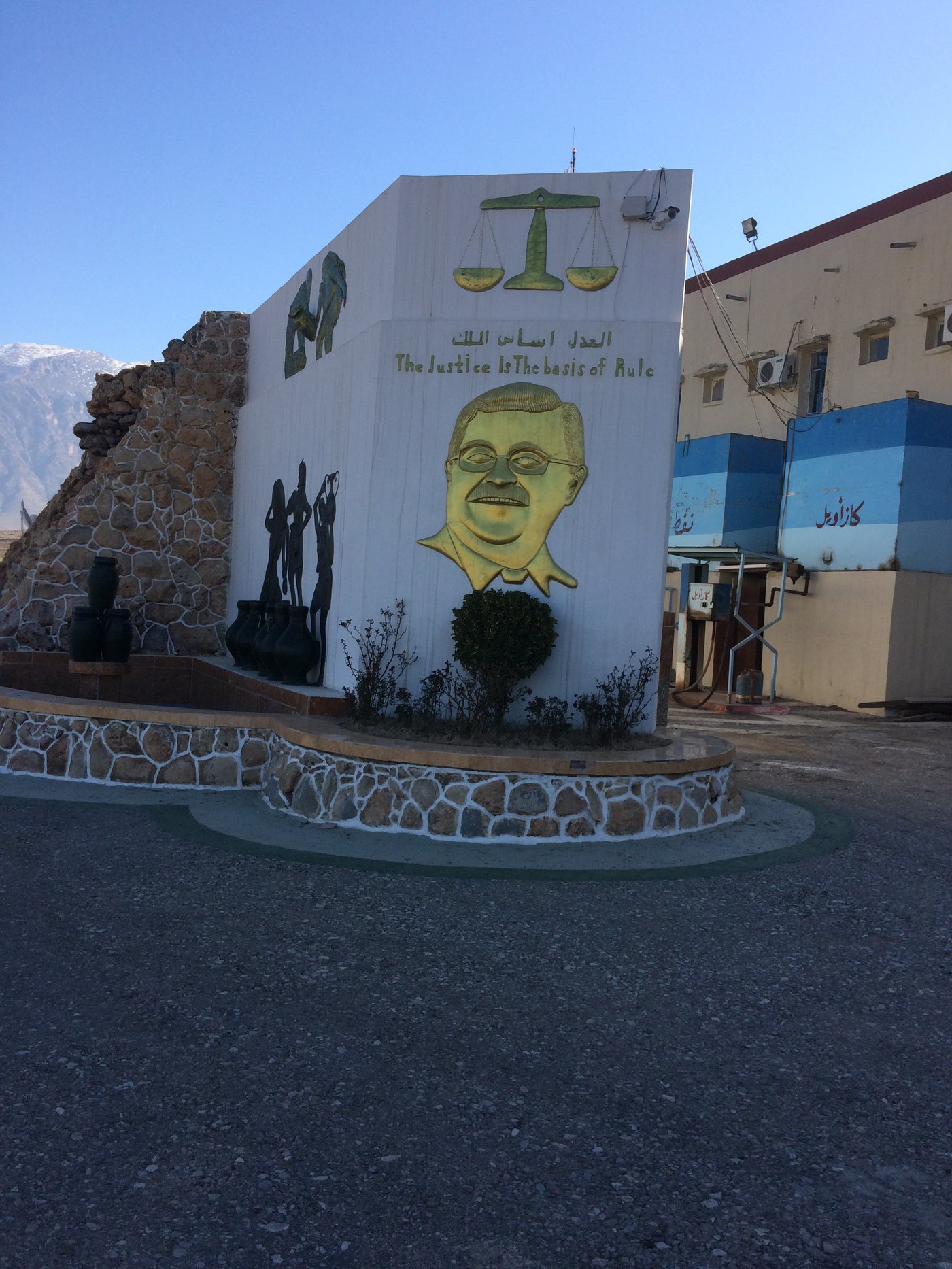
A monument reading Justice is the basis of rule

A monument at a prison entrance reading “Justice is the basis of rule” (العدل أساس الملك) (Revkin 2017)


Back to Research Areas or Policy & NGO Reports.